For years, B2B sales teams believed the key to better outreach was simple: collect more data. More contacts. More company records. More spreadsheets. More tools.
But today, most businesses are drowning in information while still struggling to find the right opportunities. The real challenge is no longer access to data. It is access to the right data, organized, verified, and connected in a meaningful way. That is exactly why AI-powered sales intelligence platforms are becoming essential for modern enterprise teams.
The Problem with Traditional Sales Data
Most companies still use disconnected systems to manage prospecting and research. Sales teams often switch between contact databases, supplier directories, product catalogs, manual spreadsheets, and compliance documents. The result is fragmented sales data and incomplete insights.
A sales rep may know the company name but not the products they manufacture. Procurement teams may know the supplier but not the certifications attached to them. Researchers may find ingredient information but struggle to connect it to brands or decision-makers. This disconnect slows down decision-making and creates unnecessary manual work.
What Is Sales Intelligence AI?
Sales intelligence AI refers to platforms that use artificial intelligence to organize connected business data, such as companies, products, ingredients, suppliers, and decision-makers, into one searchable system, rather than leaving that information scattered across disconnected tools.
Instead of manually researching multiple sources, teams can now use an AI-powered platform that organizes business information into one connected ecosystem. This allows companies to uncover relationships between businesses, products, ingredients, suppliers, certifications, and decision-makers. AI makes these connections easier to discover, analyze, and act on.
Instead of spending hours researching accounts, sales teams can quickly identify relevant companies, understand their product ecosystem, and find the right people to contact. This is where sales intelligence AI is creating real value, not by replacing sales teams, but by helping them work smarter and faster.
How Is Sales Intelligence Different From a Contact Database?
A contact database answers one question: how do I reach this person. Sales intelligence AI answers a much bigger set of questions: which companies actually fit our ideal customer profile, what products and ingredients do they work with, which certifications do they hold, and who are the right decision-makers to approach. A contact list gives you a name and an email. Connected sales intelligence gives you the context needed to know whether that name is worth contacting at all.
Verified Data Is Becoming a Business Advantage
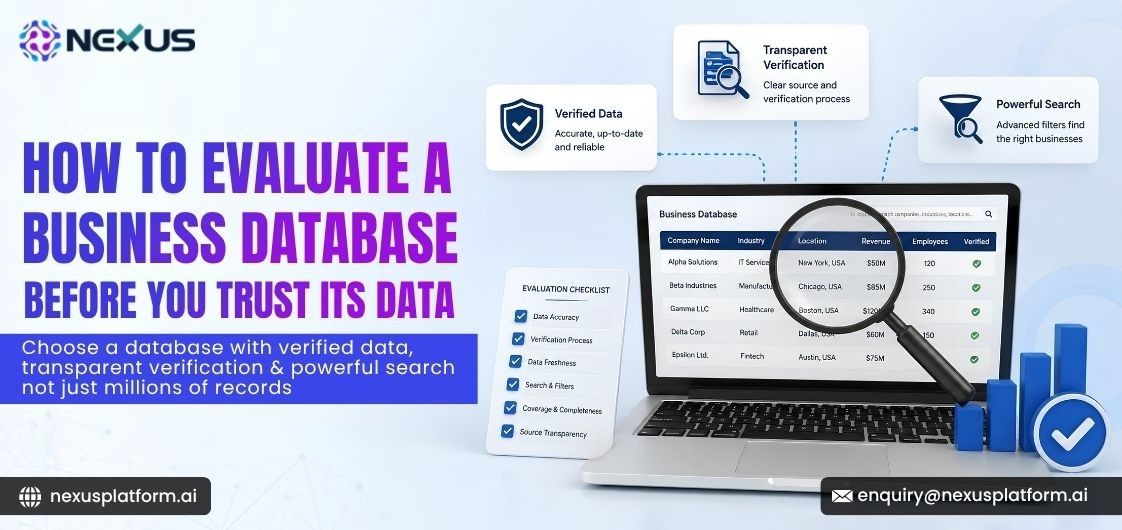
One of the biggest issues in B2B sales is poor data quality. Outdated contacts, duplicate records, and incomplete company profiles waste time and hurt outreach performance.
That is why businesses are increasingly investing in a verified company database instead of relying on outdated lead lists. Verified business data helps teams improve targeting accuracy, reduce bounced outreach, save research time, identify real opportunities faster, and maintain cleaner sales databases across every team that touches them.
Good data also improves AI performance. Even the most advanced AI tools become ineffective when the information behind them is unreliable, which is exactly what gives verified data such a durable advantage over raw volume. Modern enterprise teams now expect data platforms to provide updated and connected intelligence instead of static records.
Why Connected Data Matters More Than Database Size
The Rise of Connected B2B Intelligence
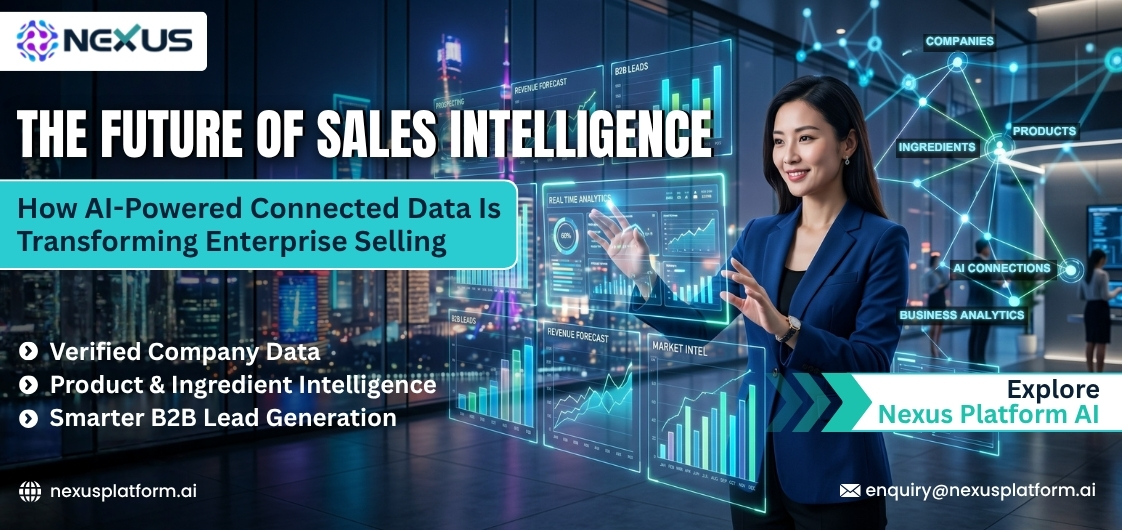
The future of enterprise selling is moving toward connected ecosystems. A modern data intelligence platform does more than provide contact information. It connects multiple layers of commercial intelligence into one environment, including company data, people data, product intelligence, ingredient information, certifications, and supplier relationships.
When these data points are connected, businesses gain much deeper market visibility. For example, instead of simply finding a supplement manufacturer, a team can also discover which ingredients they use, which certifications they hold, which suppliers they work with, and which product categories they focus on. This level of intelligence creates better opportunities for sales, sourcing, partnerships, and research.
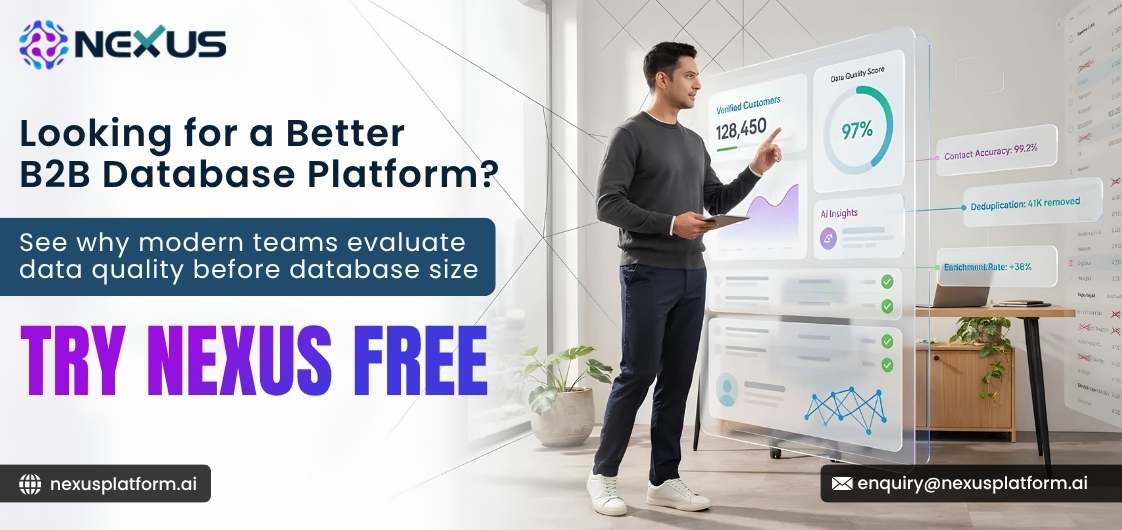
A database with ten million company records but no connections between them is less useful than a smaller dataset where every company links cleanly to its products, ingredients, and decision-makers. Size alone does not tell a sales team who to call. Connection does.
Why Product and Ingredient Intelligence Matters
Industries like nutraceuticals, wellness, food manufacturing, and dietary supplements are becoming more data-driven. Businesses no longer want generic company databases. They need deeper operational visibility.
Connected product and ingredient intelligence helps companies understand how products, ingredients, brands, and suppliers interact across the market. This helps teams track ingredient trends, research new product categories, identify supplier ecosystems, discover partnership opportunities, and improve sourcing decisions. Instead of researching information manually across multiple websites, businesses can access connected intelligence from a single platform, reducing research time while improving decision quality.
How AI Improves Enterprise Sales Intelligence
AI-powered lead generation is becoming more precise. Traditional lead generation focused heavily on volume, but modern enterprise sales teams are now prioritizing precision. A connected sales intelligence platform allows businesses to filter prospects using highly specific criteria such as industry, geography, company size, product category, ingredient usage, certifications, and decision-maker roles.
This helps teams identify high-fit prospects instead of relying on mass outreach strategies. AI further improves the process by helping businesses analyze accounts faster and uncover opportunities that may otherwise go unnoticed. The result is more targeted outreach and better conversion potential for enterprise teams selling into complex, relationship-driven markets.
Where This Is Headed
The next generation of sales intelligence will be built around three things. Verified data means businesses need accurate, updated, and trustworthy information as the foundation for everything else. Connected intelligence means companies want deeper visibility into how businesses, products, suppliers, and people relate to each other, not just a longer list of names. AI-powered discovery means AI will continue helping teams reduce manual research and identify opportunities faster as datasets grow.
Businesses that continue relying on disconnected spreadsheets and outdated databases will struggle to keep up with modern enterprise workflows. The companies that adopt connected AI-powered intelligence platforms early will have a real advantage in research, prospecting, sourcing, and business development.

Conclusion
Sales intelligence is evolving quickly. The future is not about building bigger databases. It is about building smarter systems that connect verified business data into actionable insights.
A modern sales intelligence platform helps businesses move beyond fragmented information and toward faster, more informed decision-making. As AI continues to reshape enterprise selling, companies that invest in connected intelligence will be better positioned to identify opportunities, improve outreach, and grow more